Project Video
Robotics
[TUT Smart Library Management System]
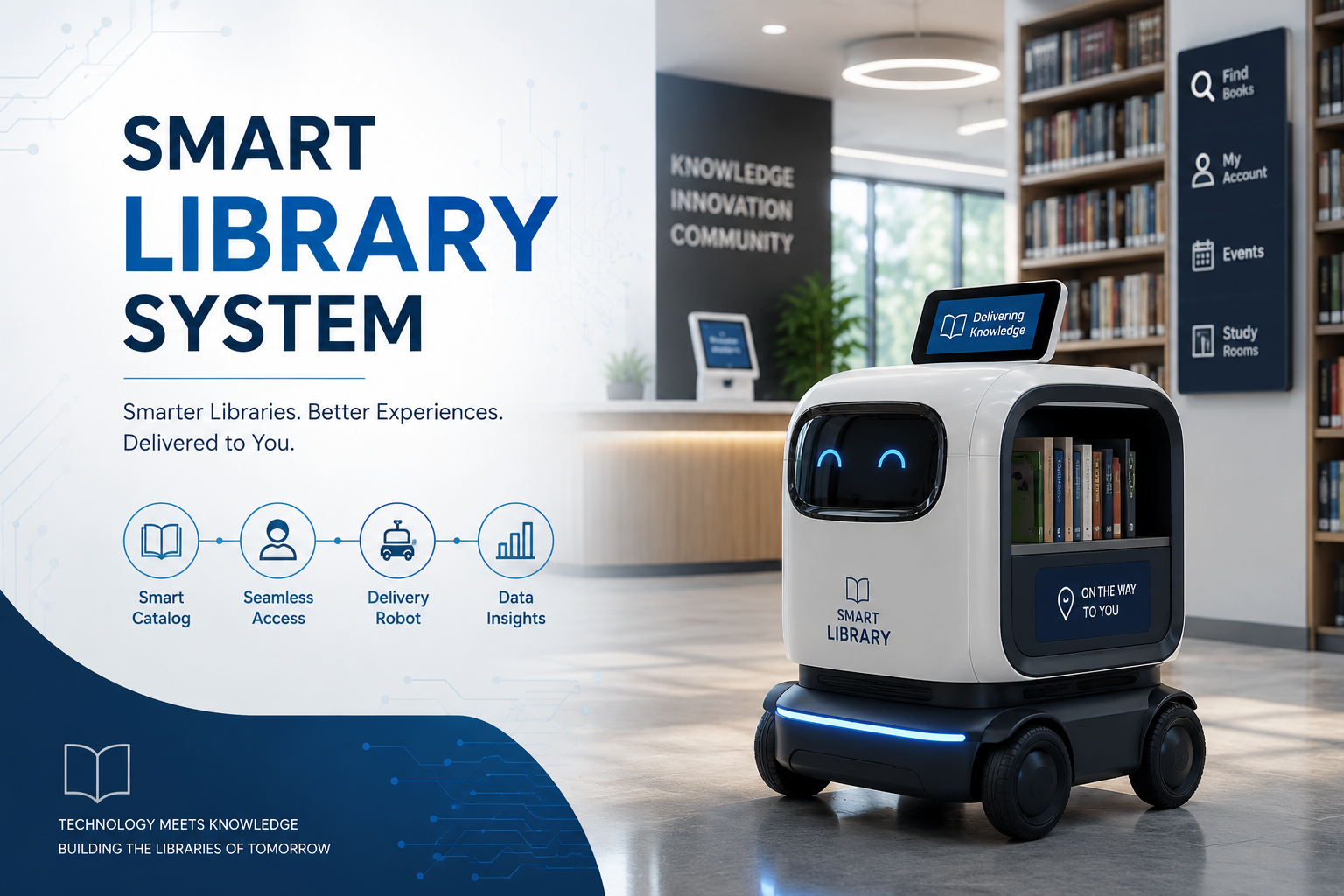
This project implements a smart library management platform for Tshwane University of Technology that combines a full web-based library system with robotics, AI assistants, RFID tracking, and real-time communication. It automates everyday library tasks—catalog browsing, borrowing, fines, reservations, and reporting—while extending the experience with an autonomous delivery robot, voice control, hand-gesture commands, and intelligent help for students and staff. When a user requests a book or needs guidance, the system can search the catalog, update loans, notify members, and optionally dispatch the library robot to navigate shelves and study tables. AI chat, research search, and voice layers answer questions in natural language and connect to the same library data and robot services.
Overview
This project implements a comprehensive Smart Library Management System designed to modernize library operations at Tshwane University of Technology (TUT). It brings together a traditional library website and database backend with cutting-edge additions: an autonomous RoboLibrarian robot, AI-powered assistants, RFID-based tracking, voice and gesture control, and live map monitoring of robot position and library spaces.
The system serves three main audiences—students, librarians, and administrators—each with role-specific dashboards and permissions. Students browse and borrow books, reserve seats, pay fines, and receive recommendations. Librarians manage inventory, loans, users, and announcements. Administrators configure the system, monitor health, and control the robot.
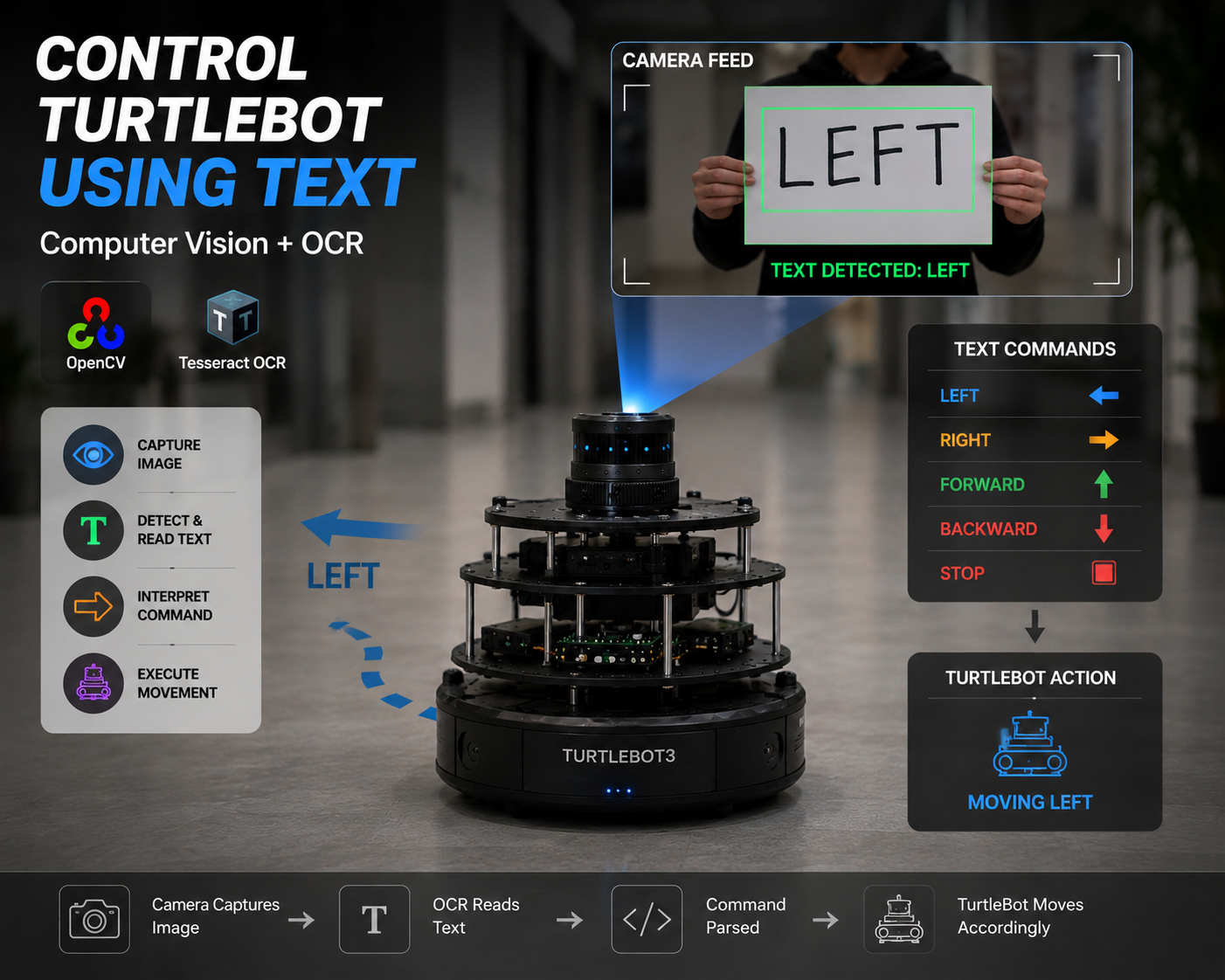
Beyond standard catalog features, the platform integrates human–robot interaction: users and staff can command the robot from a web panel, by voice, or through hand gestures detected by a camera. Multiple AI services—a library chatbot, research paper assistant, AI search, and writing helpers—provide intelligent support without replacing human librarians.
How It Works
The system runs as a web application backed by a MySQL database, with optional Python services for robotics, voice, vision, and research. Users log in through secure sessions; all book, user, and transaction data lives in the database and is accessed through PHP pages and REST-style APIs.
Library operations flow
A student searches the catalog (by title, author, ISBN, or category), views availability and shelf location, and borrows a copy. Loans are recorded with due dates, renewal rules, and fine calculation if items are late. Returns update inventory immediately. Librarians can process loans manually or via RFID scanning for faster check-in and check-out. Reservations, inter-library loan requests, and payment flows tie into the same database.
Robot operations flow
The RoboLibrarian (TurtleBot-based platform) receives commands from the web interface, MQTT messaging, or HTTP APIs. A waypoint map defines locations—study tables, shelves, restrooms, and home base. When told to go somewhere, the robot plans navigation (using ROS on real hardware, or a simulator for testing). It publishes live position and status back to the web map so staff can see where it is. Cruise mode runs a planned route visiting tables and shelves in order. can send the robot home automatically when power is low.